Investigative Report
Veterinarians Are Calling It "Nature's Most Overlooked Dog Supplement". And The Science Behind It Is Hard To Ignore
After years of expensive vet bills and frustrated dog owners trying everything, researchers are pointing to one simple compound that's been right in front of us the whole time
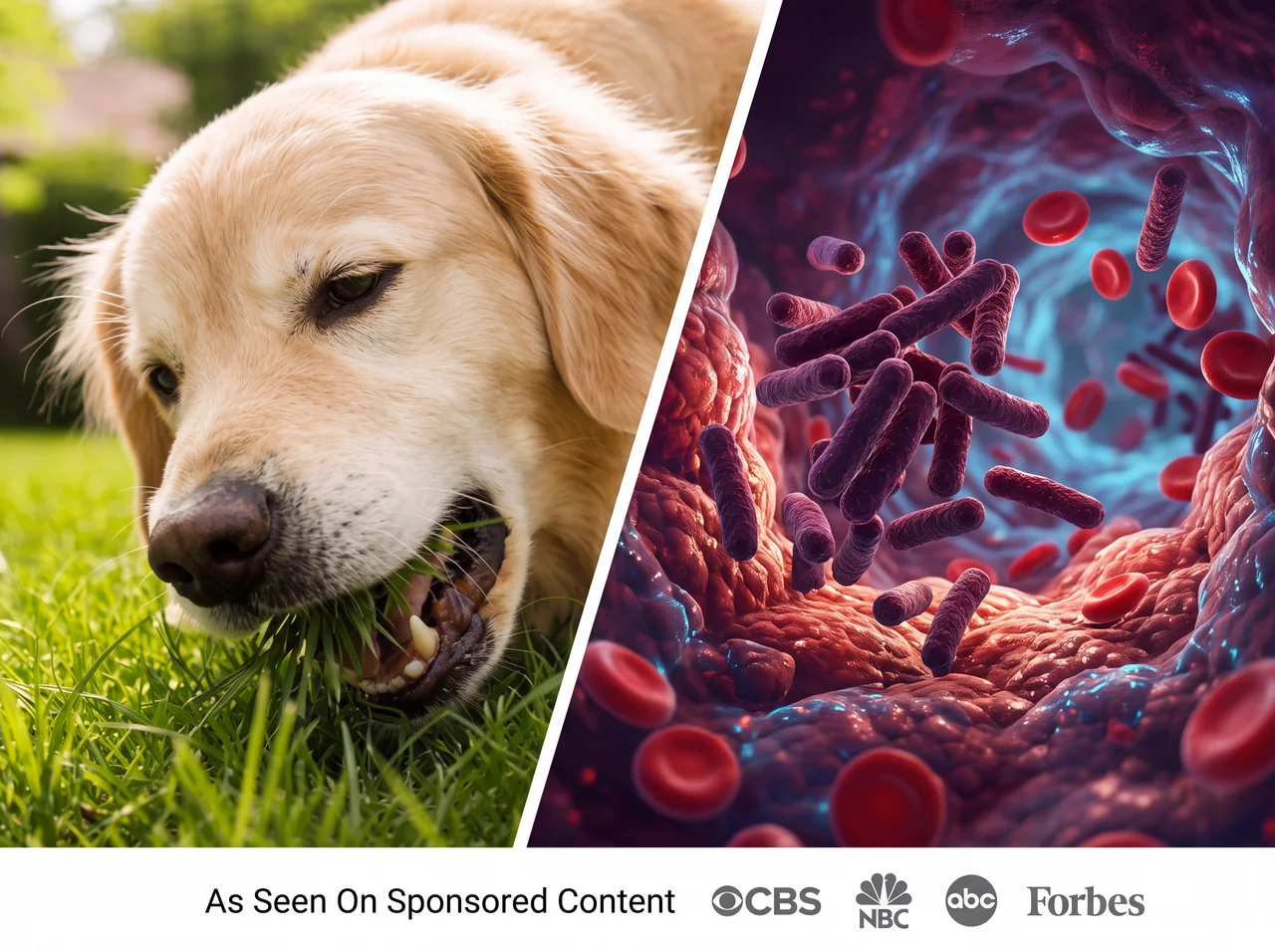
If your dog eats grass, Do this everyday

By Sarah Mitchell, DVM | Veterinarian for 10+ Years & Natural Pet Health Writer | January 2025
If You've Ever Felt Helpless Watching Your Dog Suffer, You're Not Alone
It usually starts small. A little scratching here. Licking the paws a bit more than usual. Then one morning you wake up at 3am to the sound of your dog gnawing at himself in the dark.
You try everything. You switch the food. You do the oatmeal baths. You spend $400 on an allergy test. The vet prescribes Apoquel. It works for a while, then stops. They suggest Cytopoint injections. You're terrified of the long-term side effects but you feel like you have no other choice.
Sound familiar? You're not alone. According to veterinary data, chronic allergies and immune-related issues are now the #1 reason dog owners visit the vet, and the #1 thing conventional medicine fails to actually fix.
"I tried literally everything for 2 years. Food switches, Apoquel, oatmeal baths. Nothing worked. Then within 4 days I noticed he was scratching less. By week 4 he was like an entirely new dog. I actually cried."
— Sarah M., Golden Retriever owner
Why Your Vet's Prescription Isn't Actually Solving The Problem
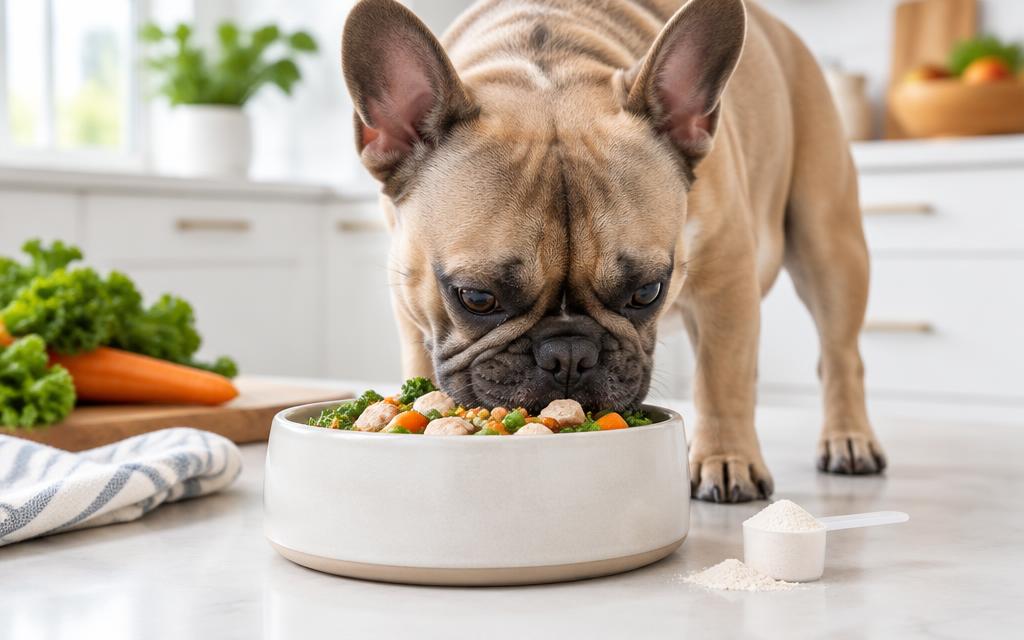
The hidden truth about Apoquel, Cytopoint, and steroids that most vets won't tell you
Here's the uncomfortable reality: these drugs suppress symptoms, but they never address the root cause: gut inflammation and an overactive immune system.
Apoquel works by suppressing your dog's immune signaling, but that same immune suppression has been linked to increased risk of infections, papillomas, and in some cases cancer.
Steroids damage the gut lining over time, ironically making the very leaky gut causing the allergies even worse.
And Cytopoint blocks the itch signal, but the inflammatory cascade underneath continues unchecked.
The Real Reason Your Dog Won't Stop Itching (It's Not What You Think)
It comes down to something called leaky gut. When the gut lining is damaged, undigested food particles escape into the bloodstream. The immune system sees those particles as foreign invaders and attacks.
That creates a cycle of inflammation that shows up as itching, hot spots, a dull coat, digestive issues and low energy. Treat the skin and the gut keeps leaking. Treat the gut, and the whole cycle can finally break.
Researchers Have Known About The Fix For Decades. It's Just Been Ignored.
The compound is bovine colostrum, often called "nature's first food." It's the first milk a mother produces after birth, packed with the exact compounds a newborn immune system needs to survive.
Here's what most people don't realize: adult dogs can use it too. And its four key compounds go directly after the root cause conventional drugs never touch.
IgG Immunoglobulins
The antibody that neutralizes viruses, fights bacteria, and gives the immune system the firepower it needs. So powerful it's used in human medicine to control Hepatitis A. Studies show IgG directly targets the pathogens that trigger chronic inflammation in dogs.
Lactoferrin
Antiviral. Antimicrobial. Antifungal. Antiparasitic. Lactoferrin destroys the biofilms that protect harmful bacteria from your dog's immune system. A University of New Haven study showed it was MORE effective than the antibiotic doxycycline at treating Lyme disease.
PRP (Proline-Rich Polypeptides)
The immune regulator. PRPs don't suppress the immune system. They REBALANCE it. They calm an overactive immune response (allergies) while stimulating an underactive one (infections). This is why colostrum addresses the root cause instead of masking symptoms.
Growth Factors
Heal the gut lining. Repair muscle and connective tissue. Preserve lean muscle mass in older dogs. Studies show growth factors can help prevent cognitive decline and maintain bone density, helping your aging dog stay mobile, sharp and vibrant.
What Peer-Reviewed Research Says Colostrum Can Do For Your Dog
These aren't marketing claims. These come from published studies.
Chronic Allergies
PRPs rebalance the immune system; heals leaky gut at the root.
Leaky Gut
Studies prove it repairs damaged intestinal lining.
Chronic Diarrhea
Reduces chronic, acute and infectious diarrhea (2004 study).
Joint Pain & Arthritis
MSM manages pain; growth factors repair joint tissue.
Low Energy & Aging
Preserves lean muscle, improves recovery, may prevent cognitive decline.
Yeast Infections
Lactoferrin destroys the biofilms protecting yeast colonies.
Kennel Cough & Flu
Proven 3x more effective than vaccination (2007 study).
Skin Problems & Hot Spots
Antibacterial and wound-healing, topically and internally.
Autoimmune Disease
Regulates immune overactivation.
Gut Damage From Drugs
Repairs intestinal damage caused by NSAIDs and antibiotics.
Oral Health
Growth factors repair gum tissue; reduces bacteria causing periodontal disease.
Cancer Support
Lactalbumin shown to cause apoptosis (death) of cancer cells while protecting healthy cells.
Not All Colostrum Is Created Equal. Here's What To Look For.
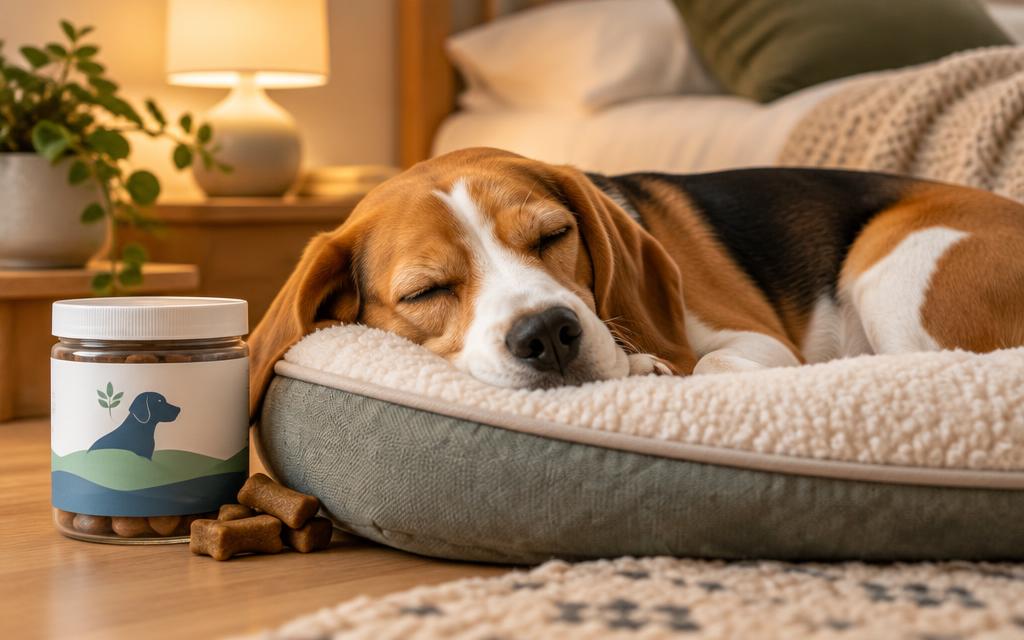
If you're going to try colostrum, do it right. After reviewing the research and the products on the market, here's the checklist that actually matters:
IgG concentration
Most products on the market use 10% IgG concentration, not enough to move the needle. Look for 25% or higher.
Dosage
You need at minimum 2,000mg per serving. Products giving you 500mg are underdosing you.
Source
Grass-fed, pasture-raised, rBGH-free cows only. rBGH is a genetically engineered growth hormone banned in Canada, the EU, Japan, Australia and New Zealand.
Ethics
Calves need colostrum in their first 48 hours. Ask if calves are fed first before harvesting.
Third party testing
Always look for a Certificate of Analysis (COA) from an independent lab.
What Dog Owners Are Saying After Making The Switch

Ashley W.
Golden Retriever owner
"He is like an entirely new dog. I tried everything for 2 years. Within 4 days I noticed a difference. I actually cried."

MJM
Rescue Lab owner
"Within 4 days, this dog responded. Hardly any scratching, gnawing, or licking. Seems all around happier and content. This is remarkable."

Cristin T.
Silver Lab owner
"Your supplements have saved my 11-year-old Silver Labrador Retriever's life. She is still running around like I can't believe it."

Shannon
10-year-old Lab owner
"Within a week my senior dog was running around like the Energizer Bunny. I wish I'd found this 3 years ago."
You Have Two Options From Here
Option A
Keep doing what you're doing
- Another vet visit. Another prescription.
- Apoquel for another 6 months.
- Watch your dog scratch through the night.
- Spend another $600–$1,000 with no real answer.
- Wonder if you're failing him.
Option B
Address the root cause
- One scoop a day mixed into food.
- Target the gut. Reset the immune system.
- Most owners notice a difference within 4–7 days.
- By week 4, a different dog.
- Finally feel like you did right by him.
The Supplement That Checks Every Box
If you've read this far, you already know what your dog needs. The only question is which colostrum product actually delivers the dose and quality the research points to.
Our Top Pick
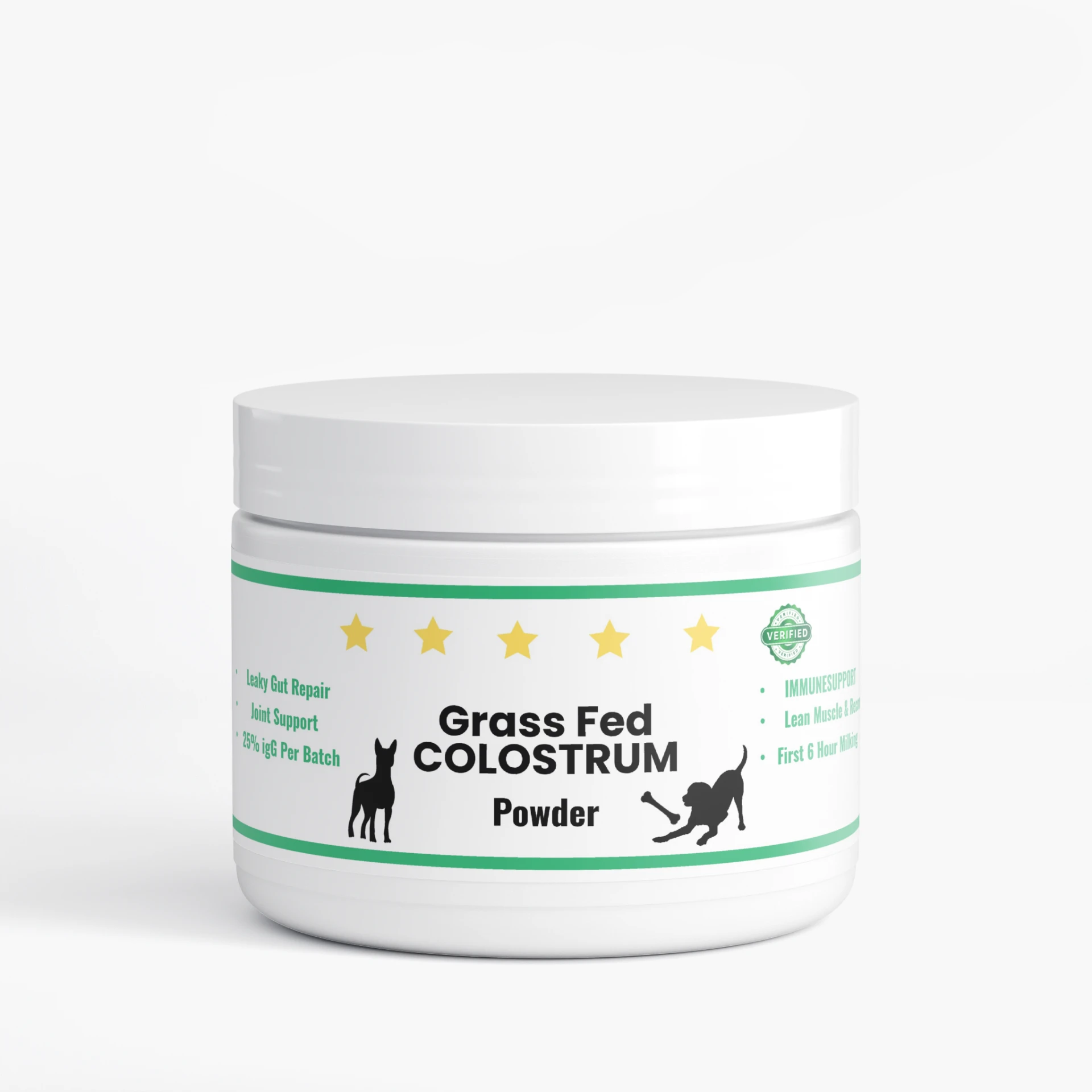
Grass Fed Colostrum Powder for Dogs
Starting at only $59.99 $79.99
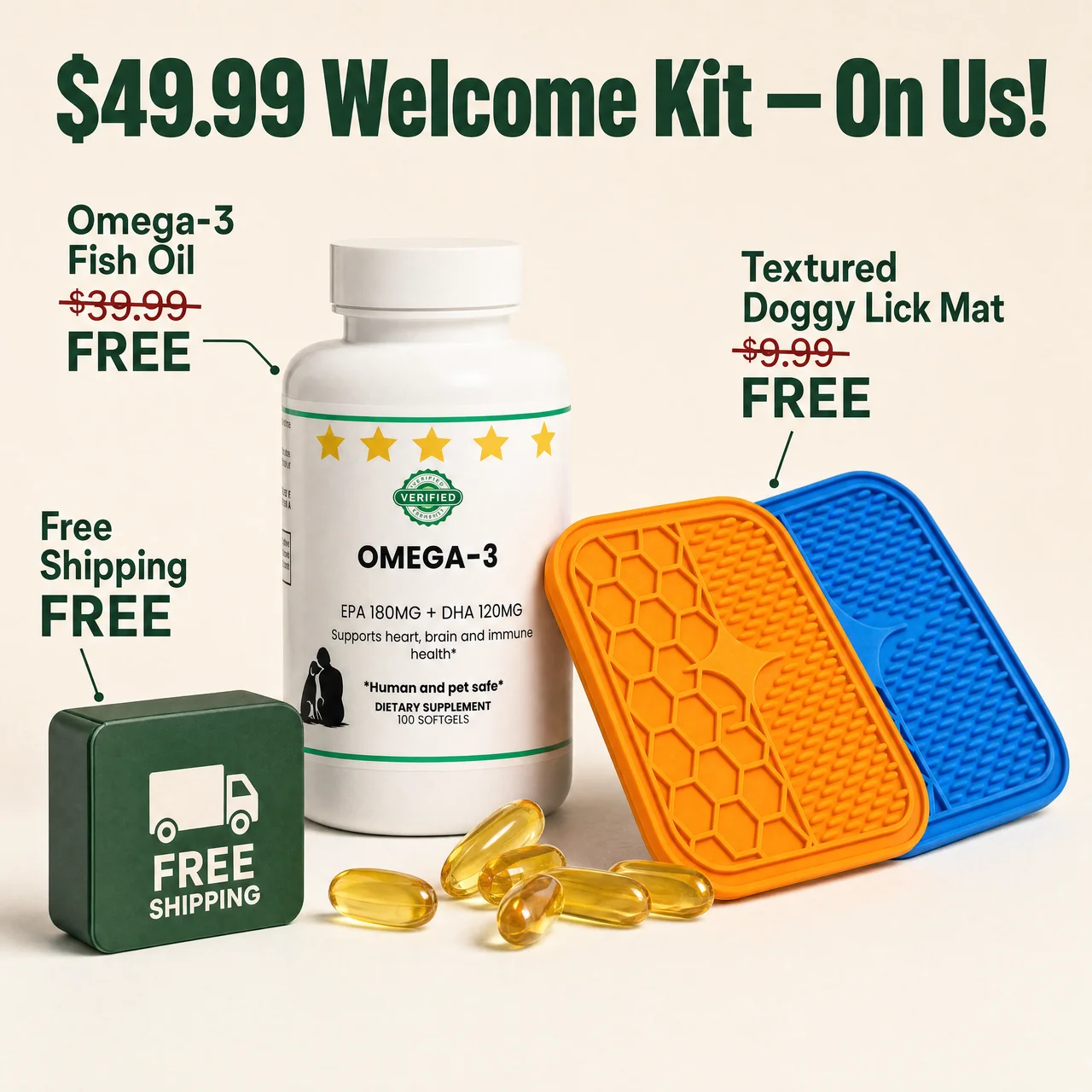
Free Gift Bag valued at $49.99 with purchase
- 2,300mg Bovine Colostrum per scoop
- 25% IgG Concentration (575mg active IgG)
- Grass-fed, pasture-raised, rBGH-free
- 30 servings per container
- No fillers, no additives, single ingredient
- 30-Day Money Back Guarantee
If your dog isn't different in 30 days, you pay nothing. No hoops. No questions.
Common Questions
Is this safe for dogs with dairy sensitivities?+
Colostrum contains very little lactose and most dairy-sensitive dogs tolerate it well. Start with half a scoop and monitor for 3 days before moving to full dose.
How long until I see results?+
Most owners notice changes within 4–7 days. Full immune rebalancing typically takes 3–4 weeks. The research supports a 30-day trial minimum.
My vet never mentioned this. Why?+
Most vets are trained in pharmaceutical solutions. Colostrum is a supplement, not a drug, so it falls outside conventional vet training. The research however is peer-reviewed and published.
What if it doesn't work for my dog?+
That's exactly why there's a 30-day guarantee. Zero risk to you.
Is grass-fed actually better?+
Yes. Grass-fed cows produce colostrum with higher concentrations of IgG and growth factors. Grain-fed dairy cows produce colostrum with a weaker nutritional profile.